How to Teach Responsibility to Children from an Early Age
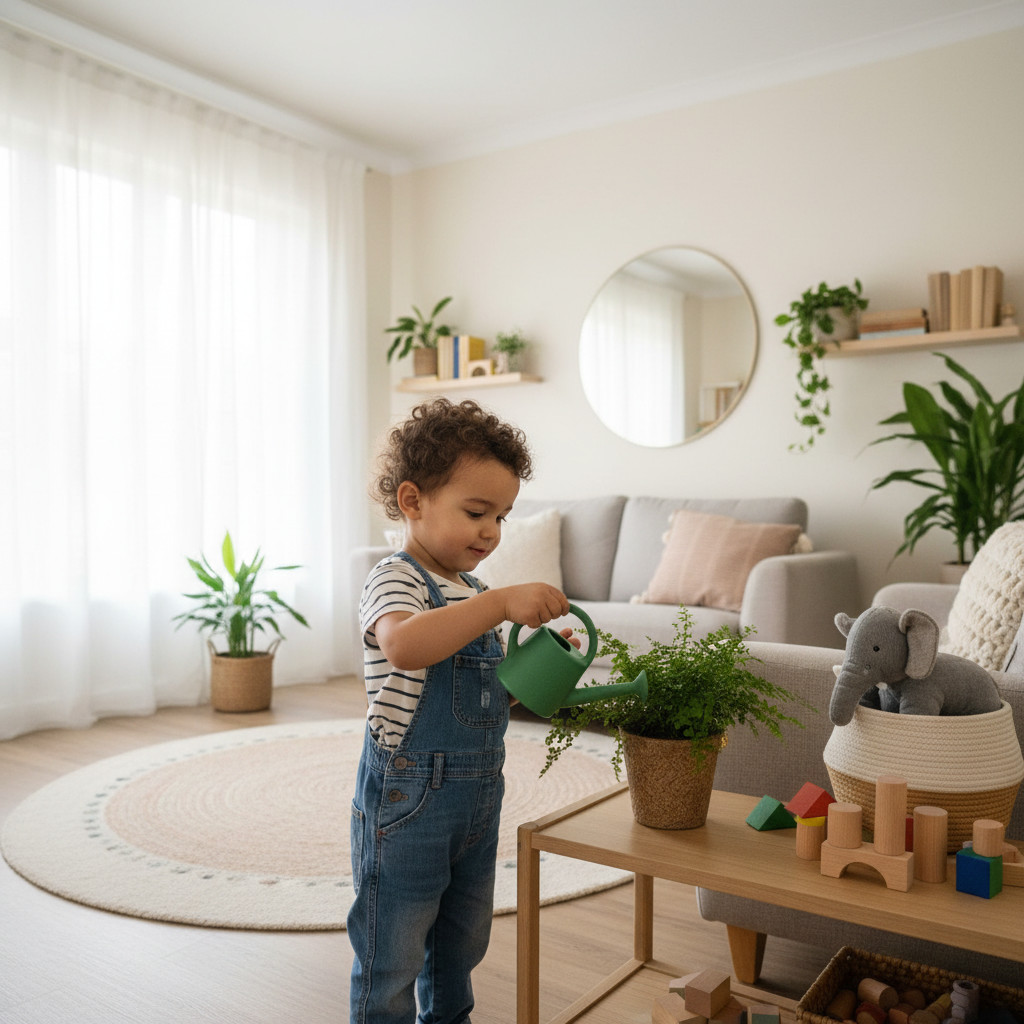
Responsibility is not something children suddenly develop as teenagers. It is a skill built gradually through daily habits, small tasks, and consistent guidance. When children learn responsibility early, they develop independence, confidence, and stronger decision-making skills. They begin to understand that their actions have consequences — both positive and negative. Teaching responsibility is not about … Ler mais

How to Balance Screen Time and Healthy Activities for Children

Technology is part of modern childhood. From educational apps to video calls with family, screens are woven into everyday life. The goal is not to eliminate technology, but to create a healthy balance that protects your child’s development while embracing the benefits of the digital world. Finding that balance can feel overwhelming. However, with clear … Ler mais

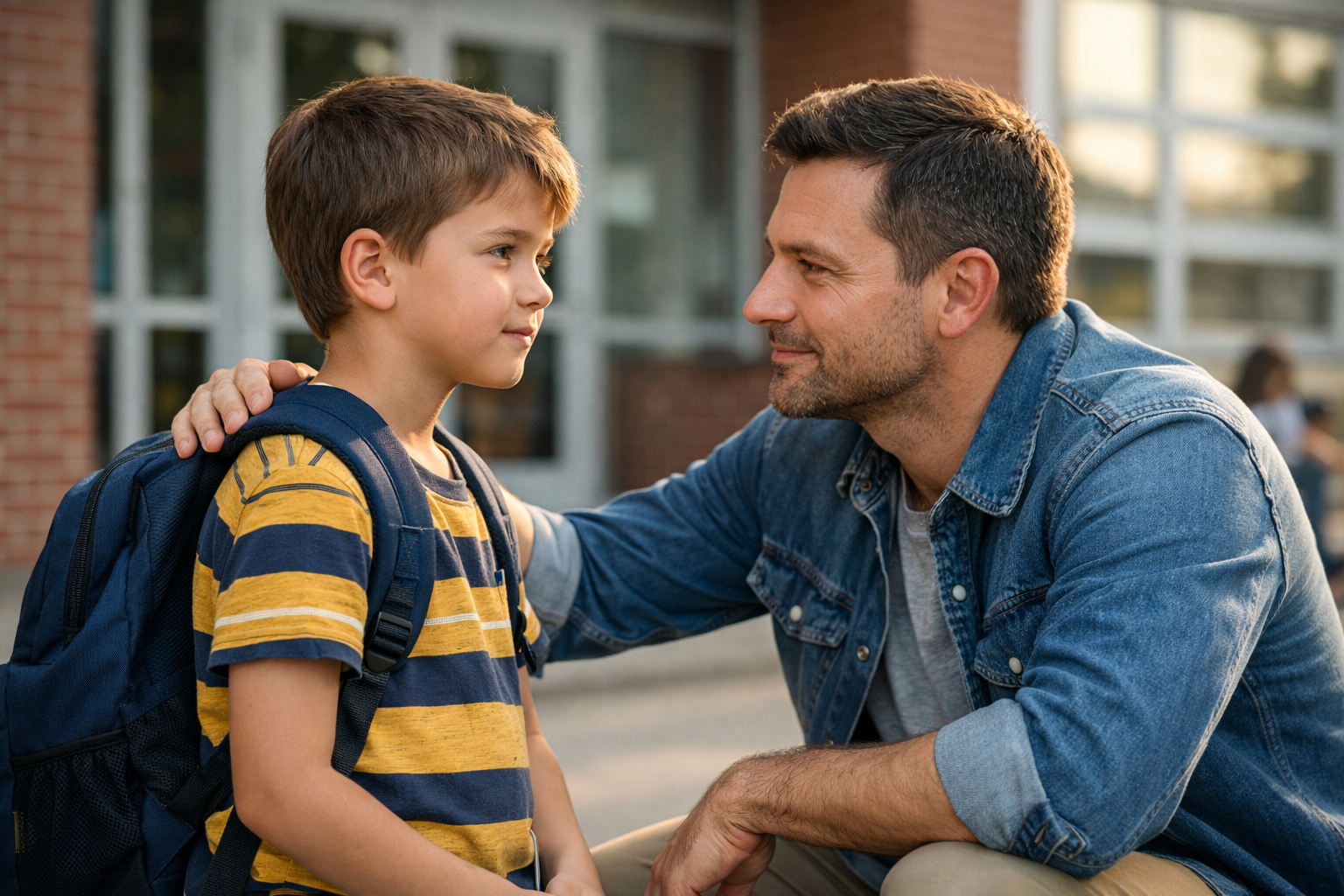
How to Help Your Child Deal with Bullying

Few situations worry parents more than discovering that their child may be experiencing bullying. Whether it happens at school, online, or in social settings, bullying can deeply affect a child’s emotional well-being, confidence, and sense of safety. The good news is that with guidance, open communication, and proactive strategies, parents can help their children navigate … Ler mais

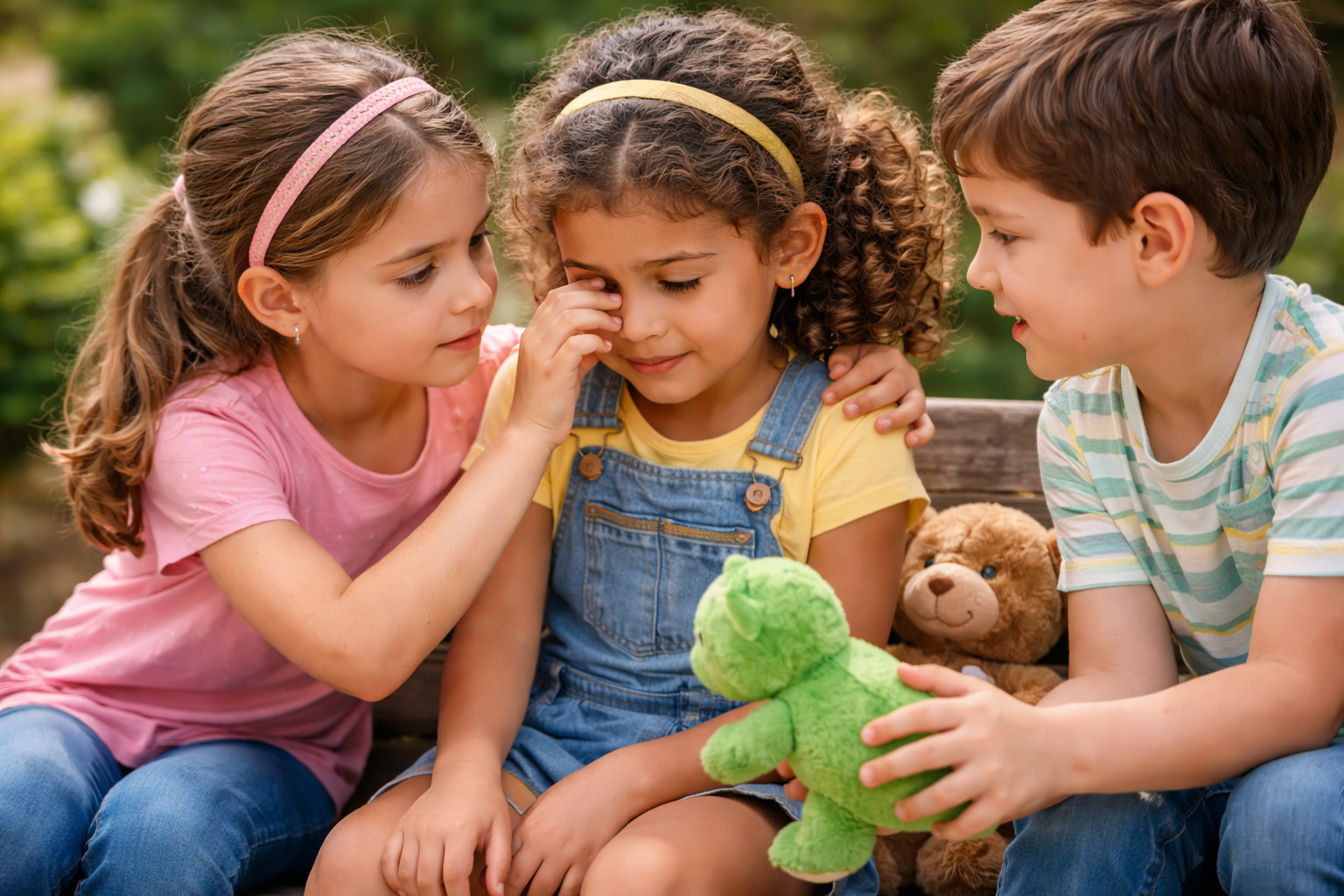
Empathy Development in Childhood: How to Raise Compassionate and Emotionally Aware Children

Empathy is one of the most powerful skills a child can develop. It is the ability to understand and share the feelings of others — to recognize when someone is hurt, sad, happy, or in need of support. Children are not born with fully developed empathy. While they may show early signs of emotional sensitivity, … Ler mais

How to Encourage a Love for Reading from an Early Age

In a world filled with screens, fast entertainment, and constant distractions, nurturing a love for reading in children has never been more important. Reading is not just about learning words — it shapes imagination, strengthens cognitive development, improves emotional intelligence, and builds lifelong learning habits. The earlier a child develops a positive relationship with books, … Ler mais

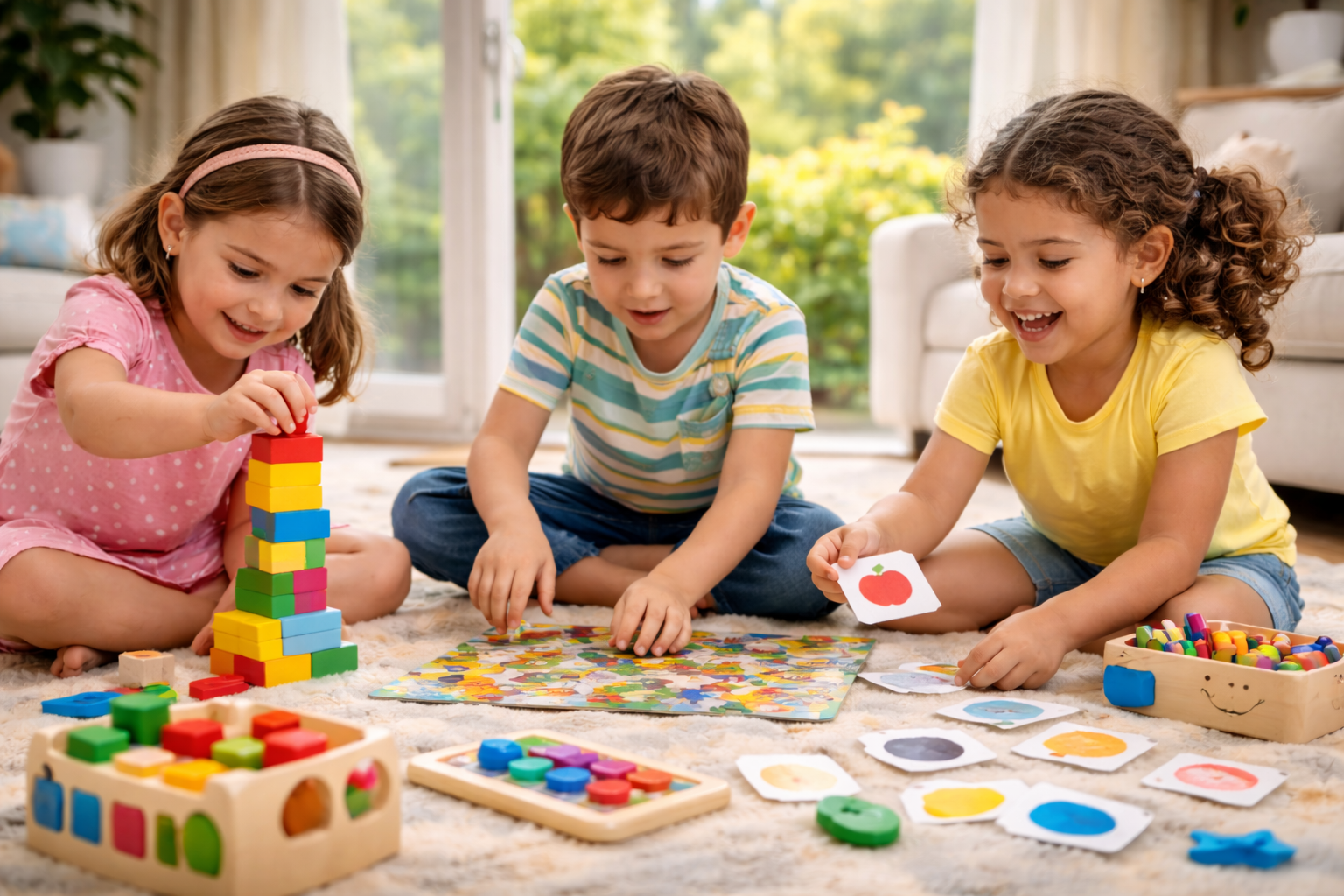
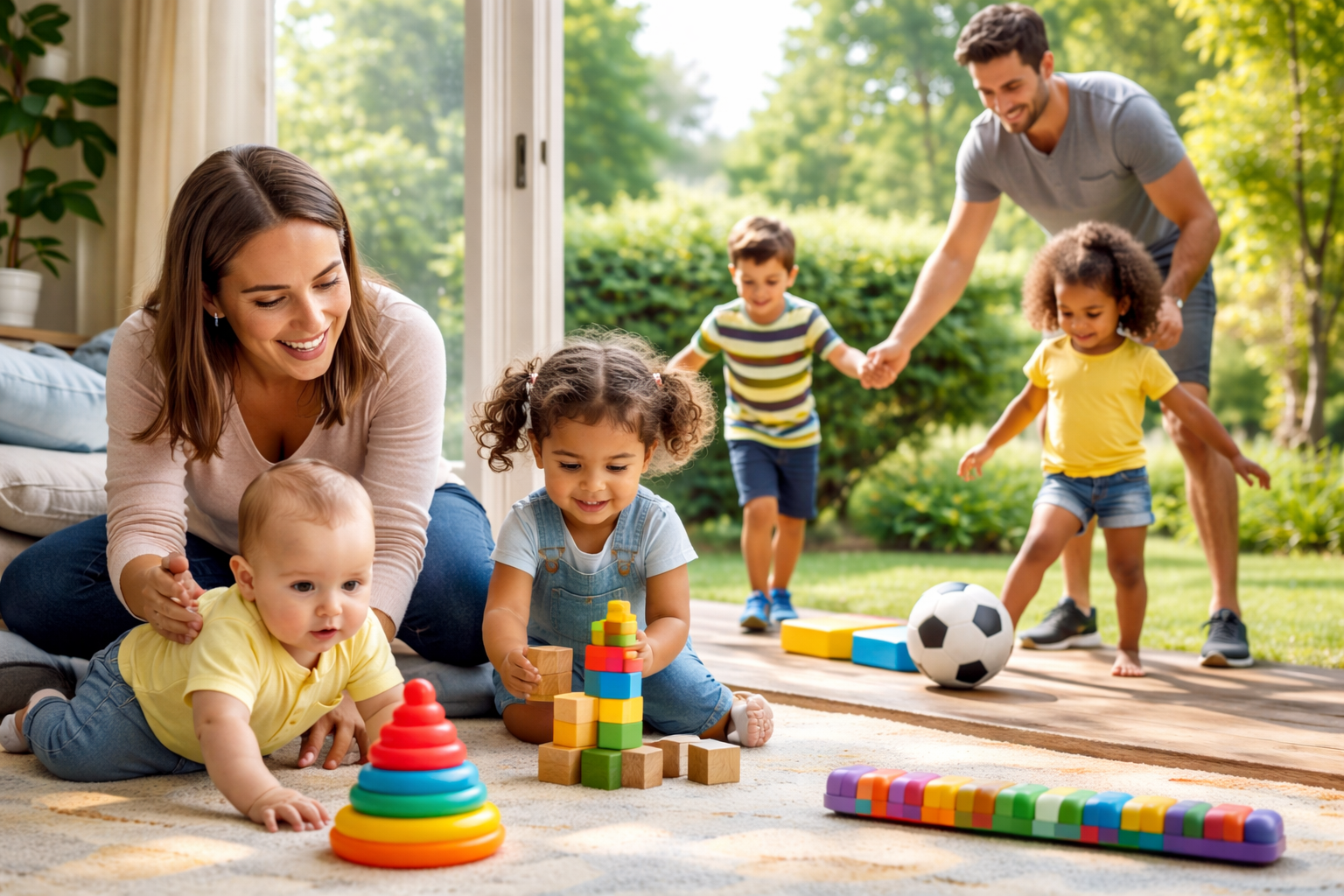
Play Activities That Support Cognitive Development in Children

Play is often seen as simple fun — a way to pass time or release energy. But for children, play is much more than entertainment. It is one of the most powerful tools for cognitive development. Through play, children learn to think, solve problems, remember information, focus attention, and make decisions. Every block they stack, … Ler mais

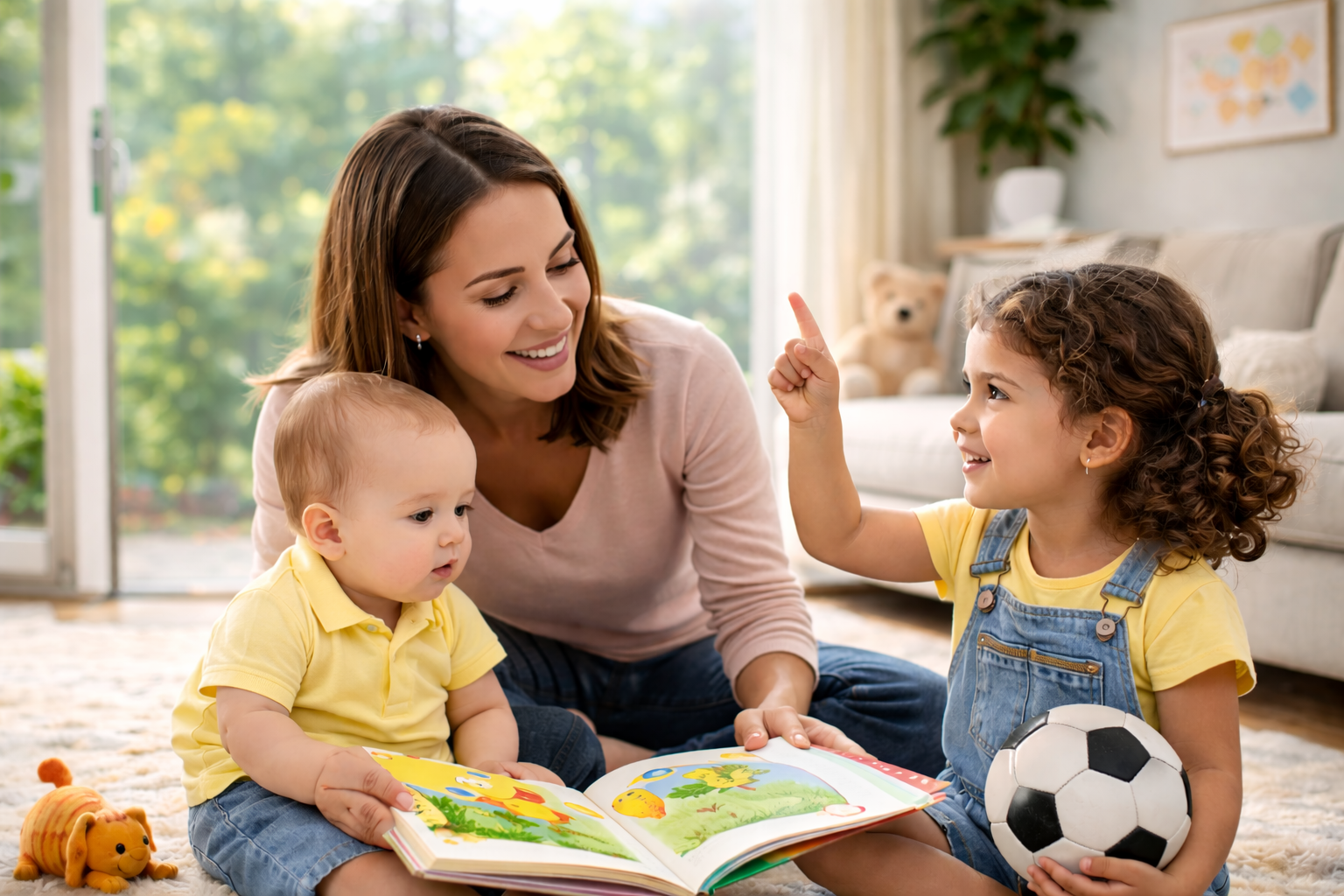
Child Language Development: What to Expect Month by Month

One of the most exciting parts of parenting is hearing your child’s first sounds, first words, and eventually, full sentences. Language development is a remarkable journey that begins long before a baby says “mama” or “dada.” From birth, children are absorbing sounds, facial expressions, tone, and rhythm. Understanding what to expect month by month helps … Ler mais

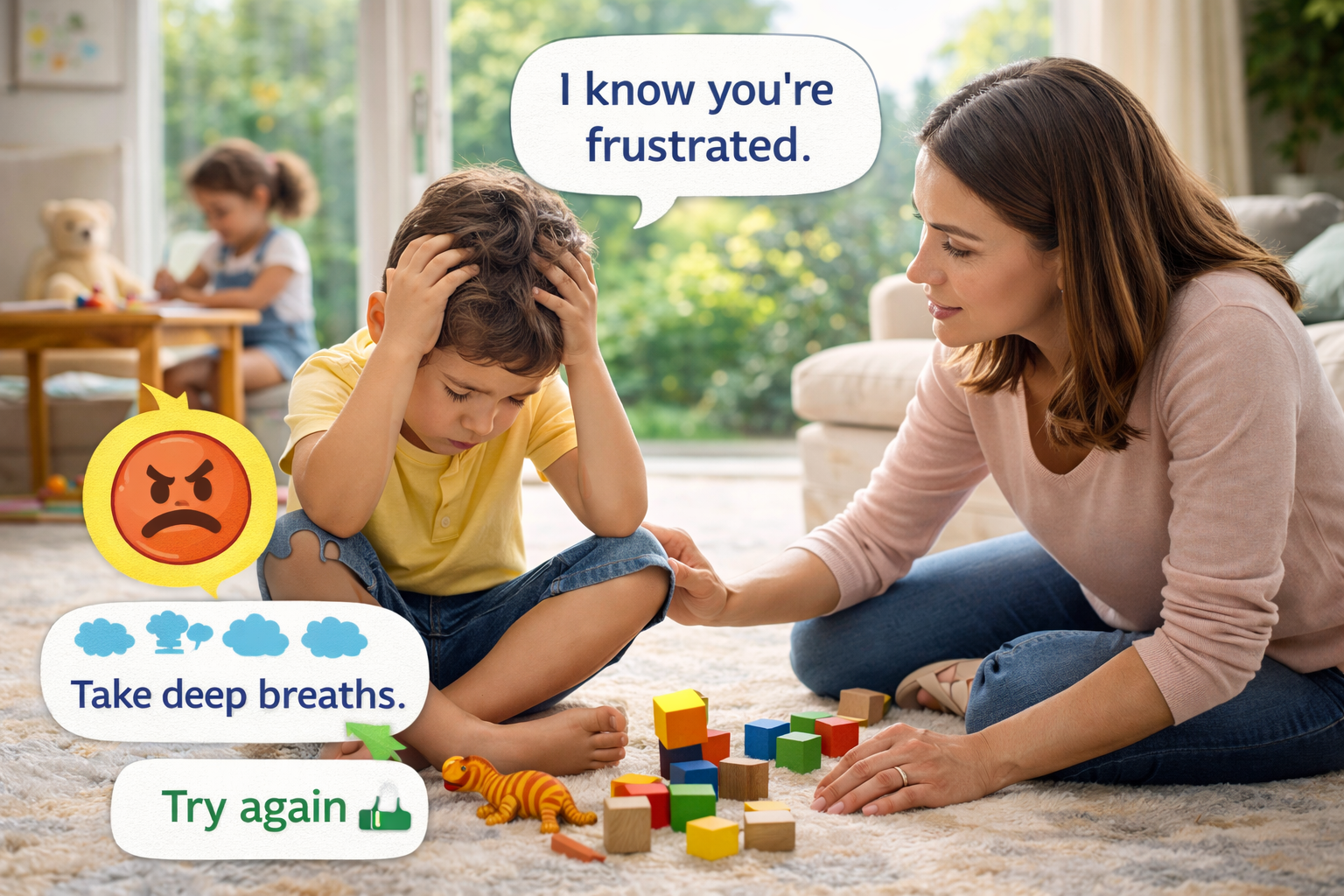
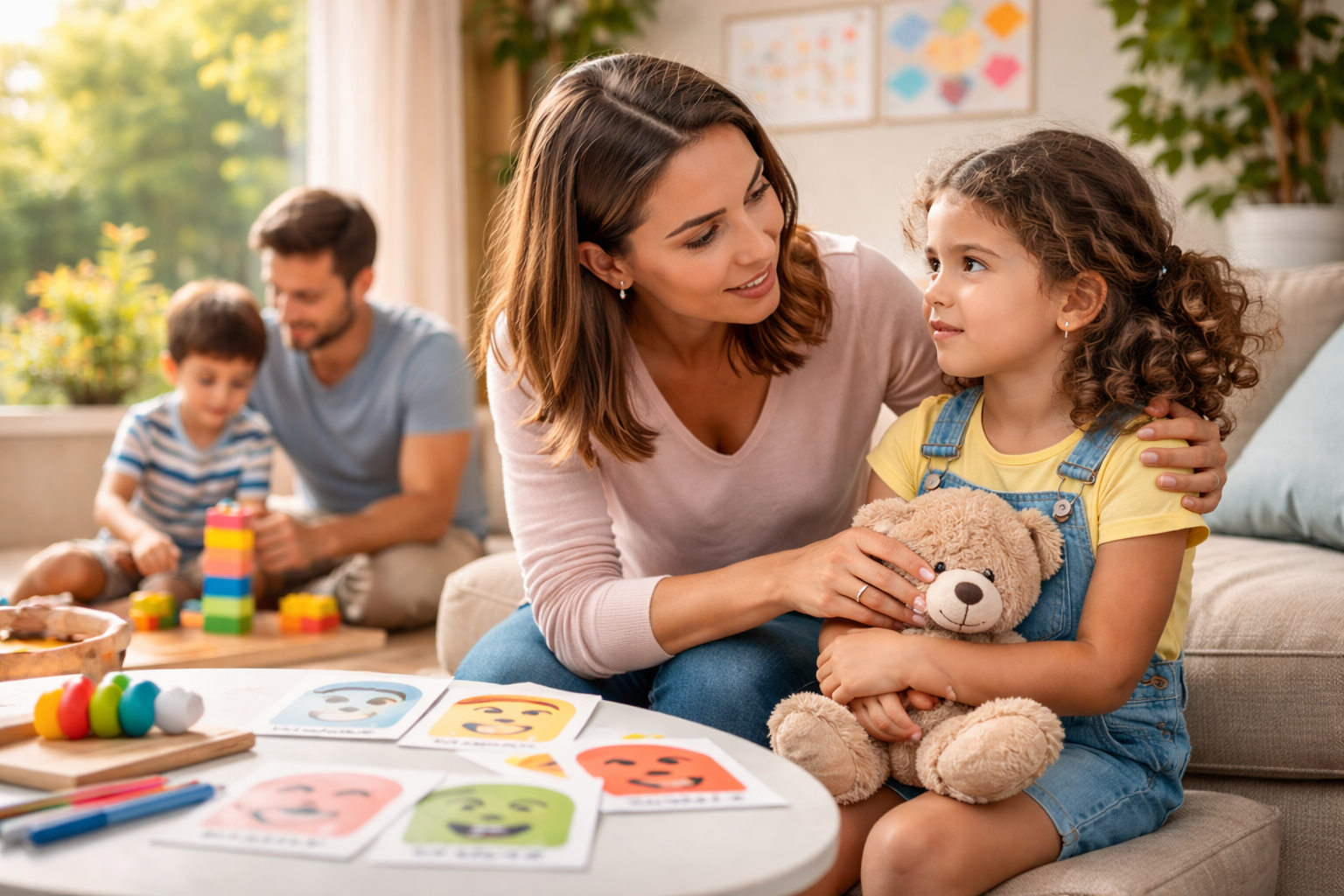
How to Teach Emotional Intelligence to Children from an Early Age

Raising children today involves much more than teaching good manners or ensuring academic success. One of the most powerful skills a child can develop is emotional intelligence — the ability to recognize, understand, and manage emotions in healthy ways. Children who develop emotional intelligence early tend to build stronger relationships, handle frustration better, communicate more … Ler mais

How to Encourage Motor Skills Development at Different Ages

Watching your child grow is one of the most rewarding experiences of parenthood. From the first time they lift their head to the moment they confidently ride a bike, every milestone reflects important stages of development. Among these milestones, motor skills play a fundamental role. Motor development is not just about movement. It directly impacts … Ler mais