
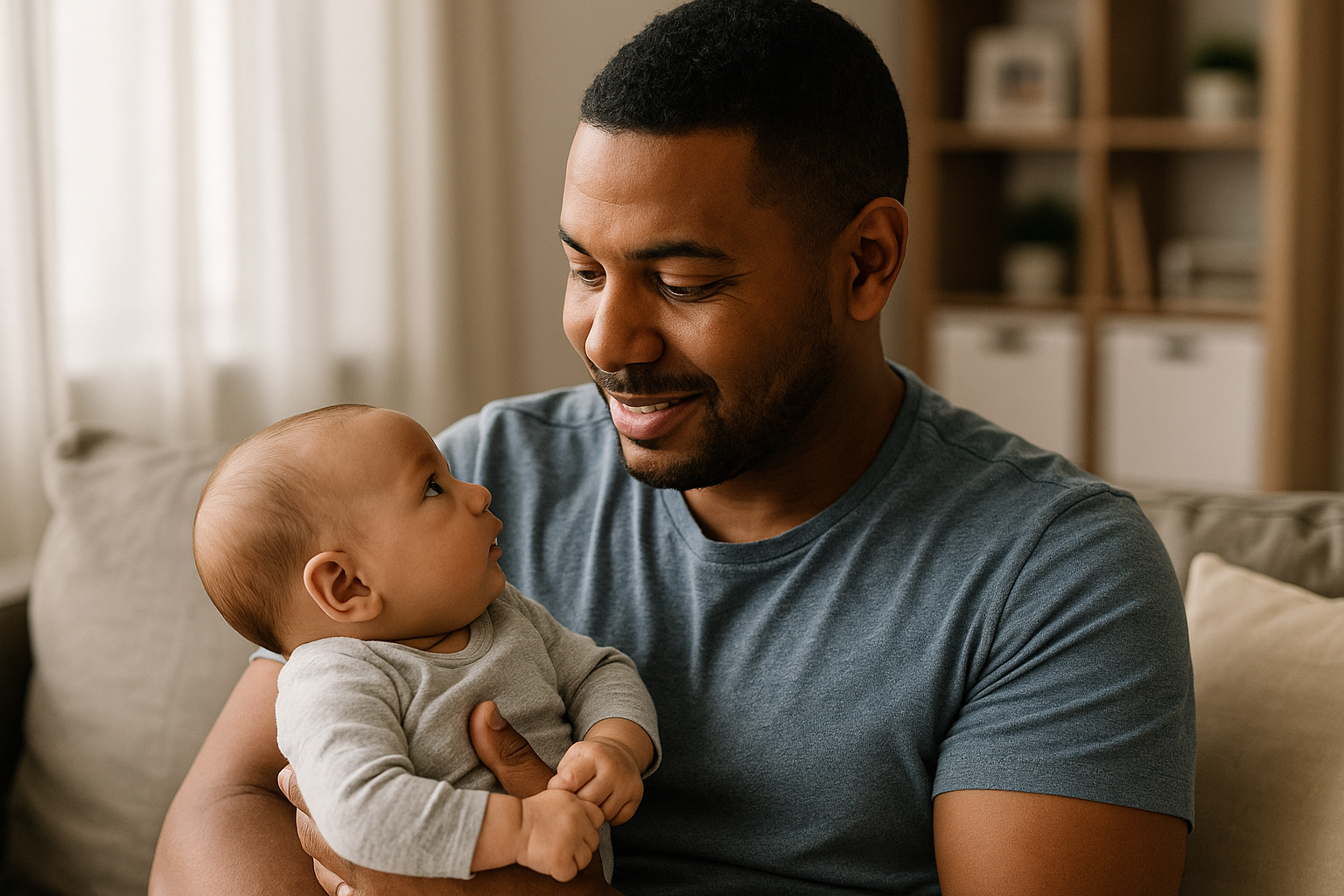
In many families today, the role of fathers has evolved far beyond the traditional “provider” stereotype. Modern parenting recognizes that a present and emotionally engaged father can have a powerful impact on a child’s development — emotionally, socially, and psychologically.
But being “present” means more than just being physically in the same room. It means showing up with intention, with empathy, and with a willingness to learn, grow, and connect. This article explores the true role of a father in parenting, and how dads can embrace a nurturing, hands-on presence.
Why Fathers Matter More Than Ever
Research continues to show that children benefit greatly from having involved fathers. From increased emotional security to better academic outcomes, a father’s presence leaves a lasting mark.
Children with actively involved fathers tend to:
- Perform better in school
- Have stronger self-esteem
- Develop better emotional regulation
- Be less likely to engage in risky behavior
Fathers also benefit. Studies show that hands-on dads experience more joy, deeper bonds with their children, and increased life satisfaction.
The Difference Between Being Present and Just Being There
You might be around your child every day, but are you truly connecting?
Being present means:
- Engaging in meaningful conversation
- Observing your child’s emotions and behaviors
- Offering comfort, guidance, and encouragement
- Participating in daily routines, not just special events
It’s not about grand gestures — it’s about the small, consistent actions that build trust.
How to Show Up in the Early Years
Babies and toddlers need more than diaper changes and lullabies — they need emotional presence and sensory connection. Dads play a vital role, even before a child can speak.
Ways to be involved early on:
- Learn to soothe and comfort the baby
- Participate in feeding (bottle or breast support)
- Share night duties and diaper changes
- Take charge of bath time, walks, or bedtime stories
- Talk to your baby — your voice matters
The early bond you build lays the foundation for your child’s trust in you.
Emotional Availability: The Father’s Superpower
Many men grow up being told to “toughen up” or “hold it together.” As a result, some fathers struggle to express affection or show vulnerability.
But children thrive when their fathers:
- Express love openly (“I love you,” hugs, praise)
- Validate feelings (“I see that you’re upset”)
- Model emotional intelligence
- Show vulnerability (e.g., “I had a hard day, but I’m glad to be home with you”)
Your child learns how to feel safe with their own emotions by watching how you handle yours.
Sharing Parenting Responsibilities
Being an involved dad means being proactive, not waiting to be asked.
Ways to share the load:
- Plan meals or grocery shop for the family
- Be responsible for doctor appointments or daycare arrangements
- Take turns with your partner for “me time” breaks
- Attend school meetings, events, and parent-teacher conferences
- Handle bath or bedtime solo sometimes — your child needs one-on-one time with you
Parenting is a partnership. Even in single-parent or co-parenting situations, showing reliability and initiative makes a huge difference.
Quality Time Over Quantity
Busy dads may feel guilty about limited hours at home — but what matters most is how you use the time you have.
Ways to make it count:
- Put your phone away when you’re together
- Create rituals (Saturday pancakes, bedtime stories, evening walks)
- Let your child “help” with tasks like cooking or fixing things
- Get down to their level — literally — and play
Even 15 minutes of undivided attention builds connection.
Discipline: A Role That Requires Compassion
Discipline isn’t about control — it’s about teaching. And when fathers approach discipline with empathy and fairness, they become trusted guides, not feared figures.
Tips for positive discipline:
- Stay calm and consistent
- Focus on the behavior, not the child (“That action was wrong” vs. “You’re bad”)
- Use logical consequences (“If you throw toys, they’ll be put away”)
- Encourage problem-solving and apologies
- Talk things through afterward to build understanding
Your tone, presence, and patience shape how your child responds to authority — and how they develop self-control.
Modeling Healthy Masculinity and Respect
Children — especially boys — learn what it means to be a man by watching their father.
What they need to see:
- Respect for others, especially their mother or co-parent
- Handling conflict without aggression
- Emotional honesty without shame
- Treating chores and child-rearing as shared responsibilities
For daughters, this also sets expectations for what respectful relationships look like.
Repairing Mistakes and Rebuilding Trust
No parent gets it right all the time. If you’ve yelled, been absent, or made decisions you regret — you can still repair.
How to rebuild:
- Acknowledge the mistake without excuses
- Offer a genuine apology
- Show your child what change looks like
- Reconnect through shared time and attention
Children are remarkably forgiving when adults are honest and willing to grow.
A Father’s Presence is a Gift
Being a dad isn’t about perfection — it’s about presence, effort, and heart. Your child doesn’t need you to have all the answers. They just need to know that you are here, that you care, and that you’re trying.
The impact of a father who shows up — consistently, emotionally, and authentically — will echo through generations.
So be there. Not just in body, but in spirit, in words, in love.