
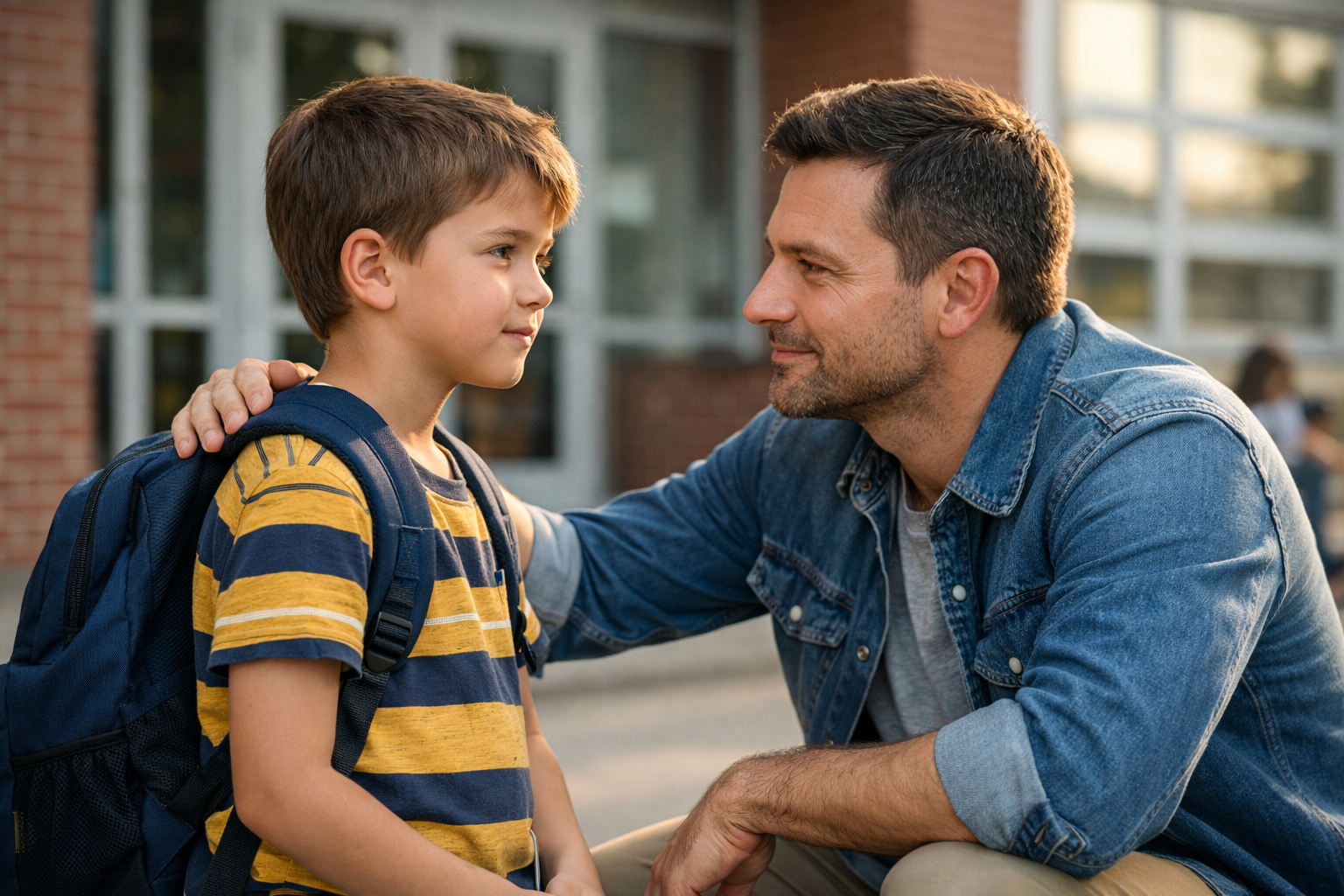
Few situations worry parents more than discovering that their child may be experiencing bullying. Whether it happens at school, online, or in social settings, bullying can deeply affect a child’s emotional well-being, confidence, and sense of safety.
The good news is that with guidance, open communication, and proactive strategies, parents can help their children navigate bullying in a healthy and empowering way.
Bullying is not something a child should face alone. Support at home makes a powerful difference.
Understanding What Bullying Really Is
Bullying goes beyond occasional disagreements or conflicts between children.
It typically involves:
- Repeated aggressive behavior
- Intentional harm (physical, verbal, or emotional)
- A power imbalance
Bullying can take different forms:
- Physical bullying (hitting, pushing)
- Verbal bullying (name-calling, teasing)
- Social bullying (exclusion, spreading rumors)
- Cyberbullying (harassment through digital platforms)
Recognizing the signs early allows parents to respond effectively.
Warning Signs Your Child May Be Experiencing Bullying
Not all children openly share what they are going through. Some signs to watch for include:
- Sudden reluctance to go to school
- Changes in mood or behavior
- Unexplained injuries
- Loss of personal belongings
- Sleep difficulties
- Decreased appetite
- Lower self-esteem
- Withdrawal from friends or activities
Trust your instincts. If something feels off, start a gentle conversation.
Create a Safe Space for Communication
The most important step is ensuring your child feels safe talking to you.
Avoid reacting with immediate anger or panic. Instead:
- Listen calmly
- Validate their feelings
- Thank them for sharing
- Avoid blaming or minimizing
You might say:
- “I’m really glad you told me.”
- “That sounds very hurtful.”
- “You don’t deserve to be treated that way.”
When children feel heard rather than judged, they are more likely to keep communicating.
Help Your Child Build Emotional Resilience
While stopping bullying behavior is crucial, building resilience helps children cope more effectively.
Encourage your child to:
- Express their feelings openly
- Practice positive self-talk
- Remember their strengths
- Stay connected with supportive friends
Confidence does not eliminate bullying, but it strengthens a child’s emotional defense against its effects.
Teach Assertive Communication
Children can benefit from learning how to respond assertively rather than aggressively or passively.
Simple phrases such as:
- “Stop. I don’t like that.”
- “That’s not funny.”
- “Leave me alone.”
can be practiced at home through role-playing.
Body language matters too. Standing tall, maintaining eye contact, and speaking clearly can discourage certain types of bullying behavior.
Practice builds confidence.
Encourage Strong Friendships
Children who have at least one close friend are often more protected emotionally.
Encourage:
- Playdates
- Group activities
- Clubs or sports
- Shared hobbies
Supportive peer relationships reduce isolation and increase confidence.
Connection builds strength.
Work with the School
If bullying occurs at school, communicate with teachers or administrators.
When approaching the school:
- Document incidents (dates, details)
- Share specific examples
- Ask about school policies
- Collaborate on solutions
Remain calm and solution-focused. Schools often have procedures in place to address bullying situations.
Follow up regularly to ensure the situation improves.
Address Cyberbullying Proactively
Digital platforms can make bullying more constant and harder to escape.
Protect your child by:
- Monitoring online activity appropriately
- Setting privacy controls
- Teaching safe online behavior
- Encouraging them not to respond to hurtful messages
- Saving evidence of harassment
Remind your child that they should always tell a trusted adult if something online makes them uncomfortable.
Avoid Telling Your Child to “Ignore It”
While ignoring minor teasing may sometimes help, repeated bullying requires action.
Telling a child to “just ignore it” can feel dismissive and may increase feelings of helplessness.
Instead, focus on empowering strategies and supportive action.
Validation comes first.
Help Rebuild Self-Esteem
Bullying often impacts self-worth.
Support your child by:
- Encouraging activities they enjoy
- Recognizing achievements
- Celebrating small successes
- Spending quality time together
Reinforcing strengths helps counteract negative messages from others.
Teach Compassion Without Excusing Behavior
Sometimes children benefit from understanding that bullies may also be struggling emotionally.
However, it’s important to clarify:
Understanding does not mean accepting harmful behavior.
Teach your child that while we can try to understand others, we must also set boundaries and protect ourselves.
When Professional Help May Be Needed
If bullying leads to significant emotional distress such as:
- Persistent sadness
- Anxiety
- Sleep disruption
- School refusal
- Sudden behavioral changes
consider seeking support from a qualified mental health professional.
Early intervention can prevent long-term emotional impact.
Seeking help is a sign of strength, not weakness.
Helping Your Child Regain Confidence and Security
Recovering from bullying takes time.
Focus on:
- Open communication
- Emotional validation
- Practical coping strategies
- Strong support networks
Remind your child regularly:
- “You are valued.”
- “You are not alone.”
- “This situation does not define you.”
Your steady support creates a safe foundation.
Raising Strong and Confident Children
Bullying is painful, but it does not have to define your child’s story.
With empathy, guidance, and proactive action, children can develop resilience, confidence, and emotional strength — even after difficult experiences.
Your role is not only to protect, but also to empower.
By listening, advocating, and teaching coping skills, you help your child navigate challenges while building inner strength that will serve them for a lifetime.
Every supportive conversation strengthens trust.
Every lesson in confidence builds resilience.
Every act of protection reinforces love.