
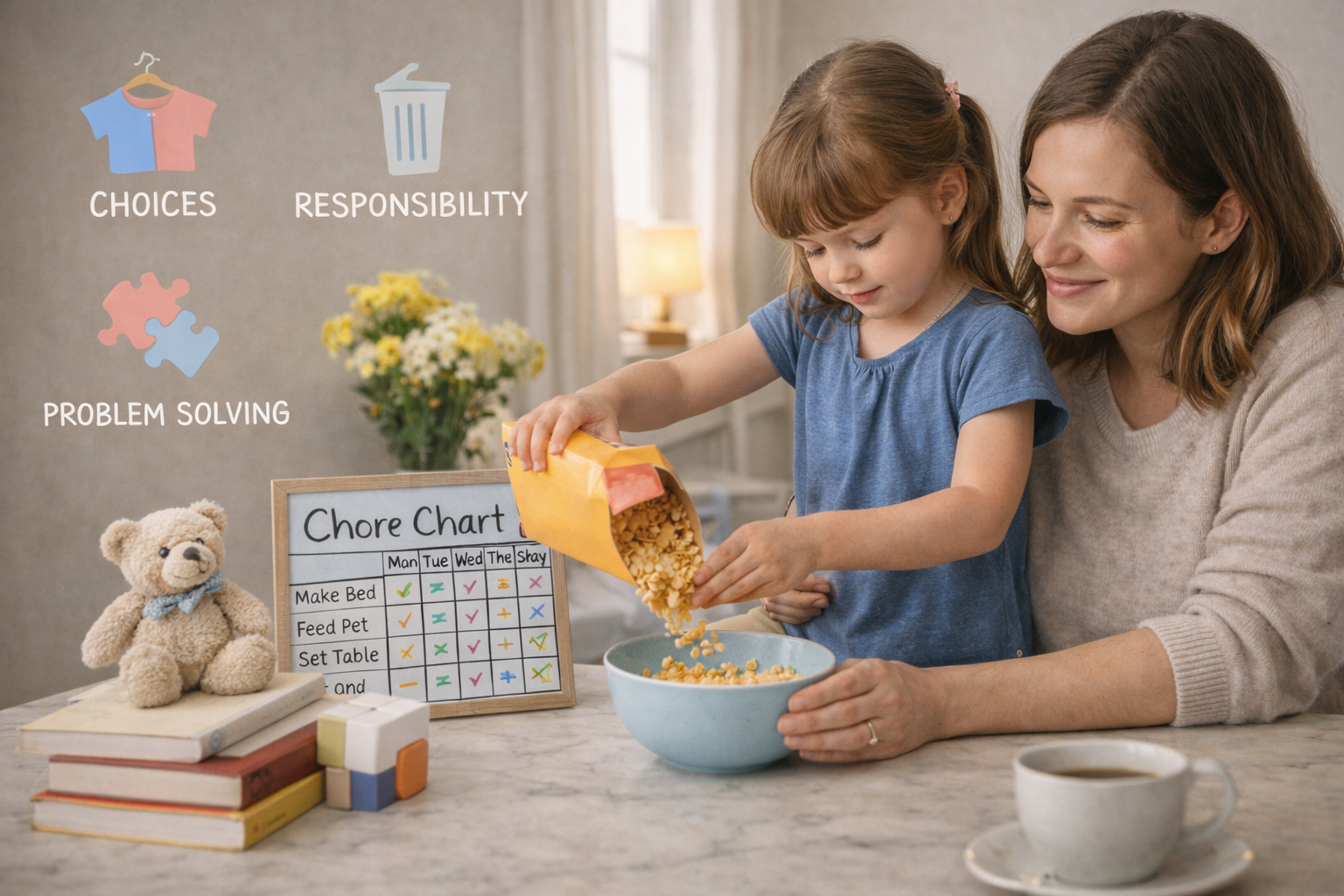
Raising independent children is one of the most valuable goals in parenting. Independence helps children develop confidence, responsibility, and problem-solving skills that will support them throughout life. Encouraging independence does not mean leaving children to manage everything alone, but guiding them to grow at their own pace.
When parents intentionally support autonomy, children feel capable and trusted. This balance between support and freedom creates a strong foundation for emotional and personal development.
Understanding What Independence Really Means
Independence is often misunderstood as self-sufficiency at an early age. In reality, independence is about helping children gradually take responsibility for their actions, choices, and emotions.
Children become independent when they feel safe enough to try, fail, and try again. Emotional support from parents makes this process healthy and positive.
Why Independence Is Important in Childhood
Independent children tend to develop stronger self-esteem and resilience. They learn that they are capable of facing challenges and making decisions.
This sense of competence encourages curiosity and motivation. Children who feel trusted are more likely to explore the world with confidence and responsibility.
Encouraging Age-Appropriate Responsibilities
Responsibility should grow with the child. Simple tasks such as putting away toys, choosing clothes, or helping with small household activities build a sense of ownership.
When children contribute to daily routines, they feel useful and valued. These small responsibilities lay the groundwork for independence without pressure.
Allowing Children to Make Choices
Offering choices is a powerful way to encourage autonomy. Even small decisions, such as choosing a snack or selecting a book, help children practice decision-making.
Choices should be appropriate and limited to avoid overwhelm. This approach teaches children that their opinions matter while maintaining healthy boundaries.
Supporting Problem-Solving Skills
Children learn independence by solving problems, not by having solutions provided immediately. When challenges arise, parents can guide children by asking questions instead of giving answers.
This approach encourages critical thinking and builds confidence. Children feel proud when they find solutions on their own, even with gentle guidance.
Accepting Mistakes as Part of Learning
Mistakes are essential to growth. Allowing children to make mistakes in a safe environment helps them understand consequences and learn resilience.
Responding with patience and encouragement rather than criticism teaches children that mistakes are opportunities for learning, not failure.
Balancing Support and Freedom
Too much control can limit independence, while too little guidance can create insecurity. Finding balance is key.
Parents can stay emotionally available while giving children space to try new things. This balance fosters trust and emotional security.
Encouraging Self-Confidence Through Trust
Trusting children with responsibilities and decisions communicates confidence in their abilities. When children feel trusted, they are more likely to trust themselves.
Positive reinforcement and acknowledgment of effort strengthen self-confidence and motivation.
Teaching Emotional Independence
Emotional independence involves helping children recognize and manage their feelings. Encouraging children to express emotions and reflect on them supports emotional growth.
Parents who model emotional regulation provide powerful examples. Children learn how to handle emotions by observing adult behavior.
Creating a Supportive Environment for Growth
A supportive environment allows children to explore without fear. Clear rules, consistent routines, and emotional availability create a safe space for independence to flourish.
Children grow best when they know support is always available, even as they take on new challenges.
Respecting Each Child’s Pace
Every child develops independence at their own pace. Comparing children can create unnecessary pressure and frustration.
Respecting individuality allows children to grow confidently and authentically. Patience and observation help parents respond to each child’s unique needs.
Preparing Children for Long-Term Success
Independence is a skill that benefits children throughout life. By encouraging responsibility, confidence, and emotional awareness, parents prepare children for future challenges.
Raising independent children is a gradual and rewarding process. With guidance, trust, and patience, parents can help children grow into capable and confident individuals.